



How to Plan Your First Trip to Europe: A Step-by-Step Guide
Planning your first trip to Europe is exciting. It’s also one of those experiences that can quickly go from inspiring to overwhelming once you realize just how many incredible places there are to visit.
Should you spend your time wandering through the streets of Rome, island hopping in Greece, exploring the French countryside, or riding trains through Switzerland? How many countries can you realistically visit? When should you go? How much should you budget?
If you’ve found yourself asking these questions, you’re not alone.
One of the biggest misconceptions about planning a European vacation is thinking you need to see everything in one trip. The truth is, some of the most memorable vacations aren’t the ones where you visit the most places. They’re the ones where you give yourself the time to truly experience them.
Whether you’re planning a romantic getaway, celebrating a milestone, traveling with family, or finally checking Europe off your bucket list, thoughtful planning can make all the difference.
As a travel advisor specializing in customized European vacations, I’ve helped travelers create itineraries that balance iconic landmarks with meaningful local experiences, allowing them to return home with incredible memories instead of wishing they had slowed down.
If this is your first trip to Europe, here’s exactly how I recommend getting started.
Step 1: Start With Your Travel Style, Not a Destination
Before opening Google Maps or saving dozens of Instagram posts, take a step back and think about what you actually want your vacation to feel like.
Europe isn’t one destination. It’s dozens of countries, each offering completely different experiences.
Ask yourself:
- Are you dreaming of history and architecture?
- Do you picture long afternoons at sidewalk cafés?
- Are you excited by museums and art?
- Would you rather spend your days hiking or relaxing by the sea?
- Do you want a fast-paced itinerary or something slower and more immersive?
- Are food and wine experiences at the top of your list?
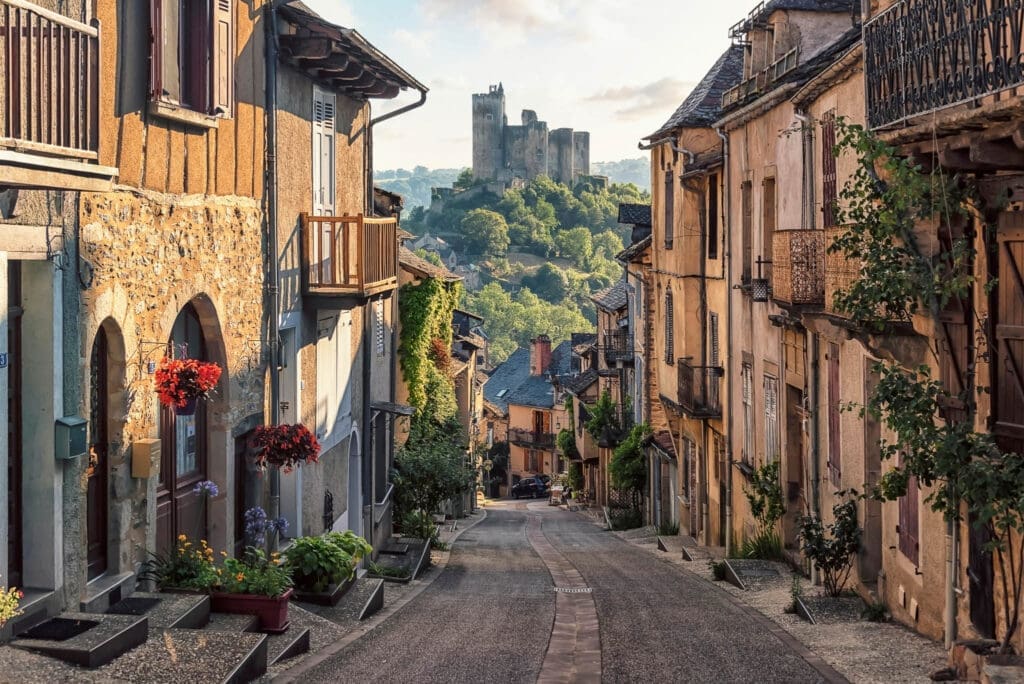
- Do you love charming villages, vibrant cities, or a mix of both?
These answers help narrow your options much faster than simply choosing destinations based on what’s popular.
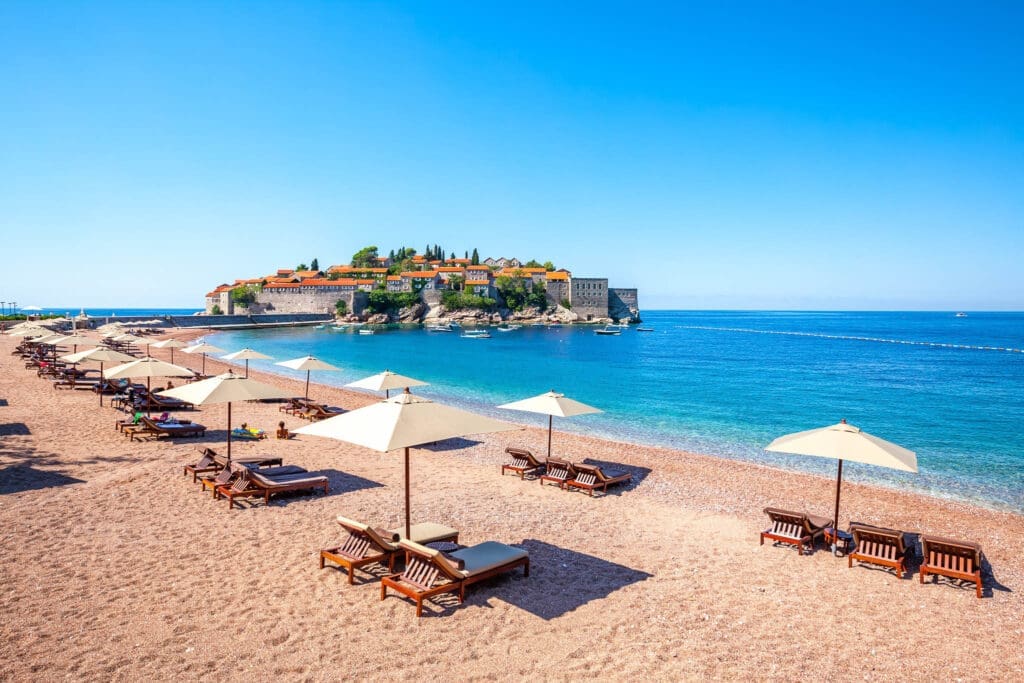
For example, someone who loves coastal scenery, fresh seafood, and laid-back afternoons may fall in love with the Greek Islands or Portugal. Someone fascinated by history and iconic landmarks may prefer Italy, France, or the United Kingdom. Travelers looking for storybook villages, mountain landscapes, and scenic train rides may be happiest exploring Switzerland or Austria.
There’s no “best” European destination. The best destination is the one that matches the experience you’re hoping to have.
Step 2: Narrow Your Destination List
One of the most common mistakes first-time visitors make is trying to squeeze too much into one vacation.
It’s easy to think, “While I’m in Europe, I should see as many countries as possible.”
In reality, constantly packing, checking in and out of hotels, and rushing between destinations often leads to a vacation that feels exhausting rather than enjoyable.
Instead, focus on quality over quantity.
For a seven to ten-day vacation, I generally recommend visiting one or two countries.
For a ten to fourteen-day itinerary, two or three destinations often creates a comfortable pace while still allowing you to experience each location.
For example:
- Rome and Tuscany
- Paris and Provence
- Athens and Santorini
- London and the Cotswolds
- Lisbon and the Algarve
Each of these combinations allows you to experience both iconic highlights and slower moments without feeling rushed.
If you’re planning a longer vacation, you can certainly see more, but remember that every travel day takes time. Moving every two days may look exciting on paper, but it rarely feels relaxing once you’re there.
Step 3: Decide When You Want to Travel
Europe is beautiful year-round, but each season offers a completely different experience.
Spring (April through June)
Spring is one of my favorite times to visit Europe. Temperatures are comfortable, flowers are blooming, and many destinations haven’t yet reached peak summer crowds. It’s an excellent time for sightseeing, outdoor dining, and exploring cities on foot.
Summer (July and August)
Summer brings long daylight hours and lively energy, but it’s also the busiest travel season. Popular destinations like Italy, Greece, and France can be crowded, and accommodations often book well in advance. If summer is your only option, planning early becomes especially important.
Fall (September through October)
Many travelers consider fall one of Europe’s best-kept secrets. The weather remains pleasant, crowds begin to thin, and vineyards come alive during harvest season. It’s an incredible time for food, wine, and cultural experiences.
Winter (November through March)
Winter offers a completely different kind of magic. From festive Christmas markets to cozy cafés and snow-covered villages, it’s a wonderful season for travelers looking for a quieter experience. While some coastal destinations become quieter during the winter months, many cities remain vibrant year-round.
Choosing the right season isn’t about finding the “best” time to visit. It’s about choosing the experience that’s right for you.
Step 4: Set a Realistic Budget
One of the first questions I hear from travelers is, “How much does a trip to Europe actually cost?”
The answer depends entirely on your travel style.
Your budget should account for more than just flights and hotels. Consider everything that contributes to your overall experience, including transportation between destinations, guided tours, meals, entrance tickets, shopping, and a little flexibility for spontaneous discoveries along the way.
Rather than trying to create the least expensive trip possible, I encourage travelers to think about where they’ll receive the most value.
Would you rather stay in a centrally located boutique hotel that allows you to walk everywhere? Is a private food tour worth splurging on because it’s something you’ll remember forever? Would adding one extra night in Tuscany create a more relaxing itinerary?
Thoughtful budgeting isn’t about spending more. It’s about investing in the experiences that matter most to you.
One of the benefits of working with a travel advisor is having someone help you prioritize those experiences while creating an itinerary that fits comfortably within your budget.
Step 5: Build an Itinerary That Leaves Room to Enjoy the Journey
Once you’ve chosen your destinations, it’s time to start mapping out your itinerary. This is where many first-time travelers accidentally overbook themselves.
When you’re planning from home, it can feel like every museum, landmark, restaurant, and viewpoint belongs on your list. Before long, your vacation starts looking more like a checklist than an experience.
One of my favorite pieces of advice is this: leave room to wander.
Some of the most memorable moments in Europe aren’t found on an itinerary. They’re the quiet mornings spent lingering over coffee in a neighborhood café, stumbling upon a local market, finding a hidden courtyard, or discovering a restaurant because it simply looked inviting.
A thoughtfully planned itinerary should include your must-see experiences while leaving enough flexibility to enjoy the unexpected.
As a general guideline:
- Stay at least three nights in each destination whenever possible.
- Avoid changing hotels every day or two.
- Group sightseeing activities by neighborhood to minimize travel time.
- Build in slower mornings or free afternoons throughout your trip.
- Resist the urge to book every hour of every day.
Europe is best experienced at a slower pace. Giving yourself time to soak in the atmosphere often becomes the highlight of the trip.
Step 6: Decide How You’ll Travel Between Destinations
Transportation is one of the biggest differences between traveling in Europe and traveling within the United States.
Fortunately, getting around Europe is often much easier than many first-time visitors expect.
Depending on your itinerary, you may use a combination of:
High-Speed Rail
Europe’s rail network is one of the easiest and most enjoyable ways to travel between many cities.
For destinations like Paris, London, Rome, Florence, Venice, Amsterdam, and Barcelona, trains are often faster and more convenient than flying once you factor in airport security and travel time.
You’ll also enjoy scenic views along the way and arrive directly in city centers rather than airports located outside town.
Regional Flights
If you’re traveling longer distances or visiting islands, short regional flights can save valuable vacation time.
For example, flying between Athens and Santorini or between Portugal and Italy may make more sense than multiple train connections.
Rental Cars
Rental cars are ideal for certain regions, especially if you’re hoping to explore smaller towns, wine regions, or countryside villages at your own pace.
Tuscany, Provence, the Scottish Highlands, and parts of Ireland are wonderful destinations for a road trip, while many major European cities are actually easier to navigate without a car.
River Cruises
For travelers who enjoy unpacking once while experiencing multiple destinations, a European river cruise offers an entirely different way to explore.
Unlike larger ocean cruises, river cruises dock in the heart of many cities and towns, allowing you to step off the ship and immediately begin exploring local culture, architecture, markets, and historic sites.
It’s an excellent option for travelers who want a relaxed pace without sacrificing the opportunity to experience several destinations throughout their journey.
The best transportation plan depends entirely on your itinerary, which is why considering your route early in the planning process helps create a much smoother vacation.

Step 7: Prioritize Experiences Over Checklists
It’s natural to have a list of iconic attractions you’d love to see.
The Eiffel Tower. The Colosseum. The Acropolis. The canals of Venice.
Those experiences are iconic for a reason, and many absolutely deserve a place on your itinerary.
But some of the experiences travelers remember most aren’t necessarily the ones they planned months in advance.
Think about what will help you connect with the destination beyond the landmarks.
You might spend an afternoon learning to make pasta with a local chef in Italy, join a small-group wine tasting in Portugal, wander through a neighborhood market in France, or enjoy a sunset sailing excursion along the Greek coastline.
These are often the moments that transform a vacation into an unforgettable experience.
When planning your itinerary, I recommend choosing a balance of:
- Iconic landmarks
- Local food experiences
- Cultural activities
- Time to explore independently
- Relaxation
- One or two truly memorable splurge experiences
That balance creates a vacation that feels both exciting and authentic.
Step 8: Don’t Forget the Important Details
The excitement of planning often centers around destinations and experiences, but the smaller details play an important role in making your trip run smoothly.
Before you leave, be sure you’ve thought through items such as:
- Passport validity requirements
- Travel insurance
- International phone service or eSIM options
- Credit cards with no foreign transaction fees
- Local currency
- Electrical adapters
- Transportation from the airport to your hotel
- Reservations for popular attractions
- Entry requirements for the countries you’re visiting
Creating a simple checklist a few weeks before departure can help ensure nothing important gets overlooked.
Planning ahead also allows you to spend less time worrying about logistics once you arrive and more time enjoying the experience.
Should You Use a Travel Advisor for Your First European Vacation?
Planning a trip to Europe has never been easier when it comes to finding information online.
The challenge isn’t finding information. It’s knowing which information applies to your trip.
There are thousands of articles, social media videos, online reviews, and AI-generated recommendations available with a quick search. While these resources can be helpful, they often leave travelers with even more questions than answers.
That’s where personalized travel planning becomes valuable.
Rather than piecing together recommendations from dozens of different sources, working with a travel advisor means your itinerary is built around your interests, travel style, budget, and priorities.
Instead of wondering whether you’re spending too much time in one city or not enough in another, you’ll have guidance from someone who understands how all of the pieces fit together.
Whether it’s choosing the right boutique hotel, planning realistic travel days, recommending experiences you may never have discovered on your own, or helping you navigate the countless details involved in international travel, personalized guidance can transform the planning process from overwhelming to exciting.
Every traveler is different, which is why the best European vacations are never one-size-fits-all.
Common Mistakes First-Time Europe Travelers Make
Even the most carefully planned trips can have a few hiccups. The good news is that many of the most common mistakes are easy to avoid with a little preparation.
Trying to See Too Much
It’s tempting to fit five countries into one vacation simply because they’re all relatively close together. While that might sound exciting, spending more time in airports and train stations than actually enjoying your destination can quickly become exhausting.
Instead, choose fewer destinations and give yourself time to experience them. You’ll leave with a much deeper appreciation for each place and probably already be dreaming about your next trip back.
Underestimating Travel Days
Traveling between cities takes more time than many people expect. Even a two-hour train ride includes getting to the station, boarding, finding your accommodations, and settling in once you arrive.
When planning your itinerary, think of travel days as lighter sightseeing days rather than trying to fit in a full schedule before and after your journey.
Waiting Too Long to Start Planning
Europe continues to be one of the world’s most popular travel destinations. The best boutique hotels, river cruises, guided experiences, and even some attractions can book months in advance, especially during spring and summer.
Planning early gives you the greatest selection and flexibility while reducing the stress of trying to piece everything together at the last minute.
Following Someone Else’s Itinerary
Just because an itinerary worked well for someone else doesn’t mean it’s the right fit for you.
Every traveler has different interests, travel styles, budgets, and energy levels. The best vacations are the ones that reflect what you enjoy, not simply what’s trending online.
Forgetting to Slow Down
One of Europe’s greatest gifts is its slower pace of life.
Take time to linger over dinner. Sit in the town square with a coffee. Wander without a destination. Browse local shops. Watch the world go by.
Those moments often become the memories you’ll treasure most.
Frequently Asked Questions
How many days do you need for your first trip to Europe?
For most first-time visitors, I recommend spending at least 10 to 14 days in Europe if your schedule allows. This provides enough time to experience one or two countries without feeling rushed. If you have a week available, it’s often better to focus on one region rather than trying to fit too much into a shorter trip.
How many countries should I visit on my first Europe trip?
Less is often more. For a first trip, visiting one or two countries usually creates a much more enjoyable experience than trying to see several. Spending more time in fewer places allows you to experience the local culture, cuisine, and atmosphere without constantly packing and moving.
What is the best month to visit Europe?
There isn’t one perfect month because it depends on the type of vacation you’re looking for. Spring and fall are popular for comfortable weather and fewer crowds, while summer offers longer days and a lively atmosphere. Winter is ideal for travelers interested in Christmas markets or experiencing Europe’s quieter side.
Is Europe expensive to visit?
Europe offers options for a wide range of budgets. Your overall cost depends on the destinations you choose, your travel style, accommodations, and the experiences you prioritize. Careful planning can help you maximize your budget while still creating an unforgettable vacation.
Should I use a travel advisor to plan my first Europe trip?
Planning your first European vacation involves many decisions, from choosing destinations and accommodations to creating a realistic itinerary and coordinating transportation. Working with a travel advisor can help simplify the process, provide personalized recommendations, and ensure your itinerary reflects your travel style and goals.
Ready to Start Planning Your European Vacation?
Planning your first trip to Europe should feel exciting, not overwhelming.
Whether you’re dreaming of strolling through charming villages, exploring historic cities, relaxing along the Mediterranean coast, or discovering Europe on a river cruise, thoughtful planning is the key to creating a vacation you’ll remember for years to come.
If you’re ready to begin planning your European adventure, I’d love to help you create an itinerary that’s thoughtfully designed around your travel style, interests, and goals.
Every unforgettable journey begins with a conversation, and I can’t wait to help you start planning yours.


